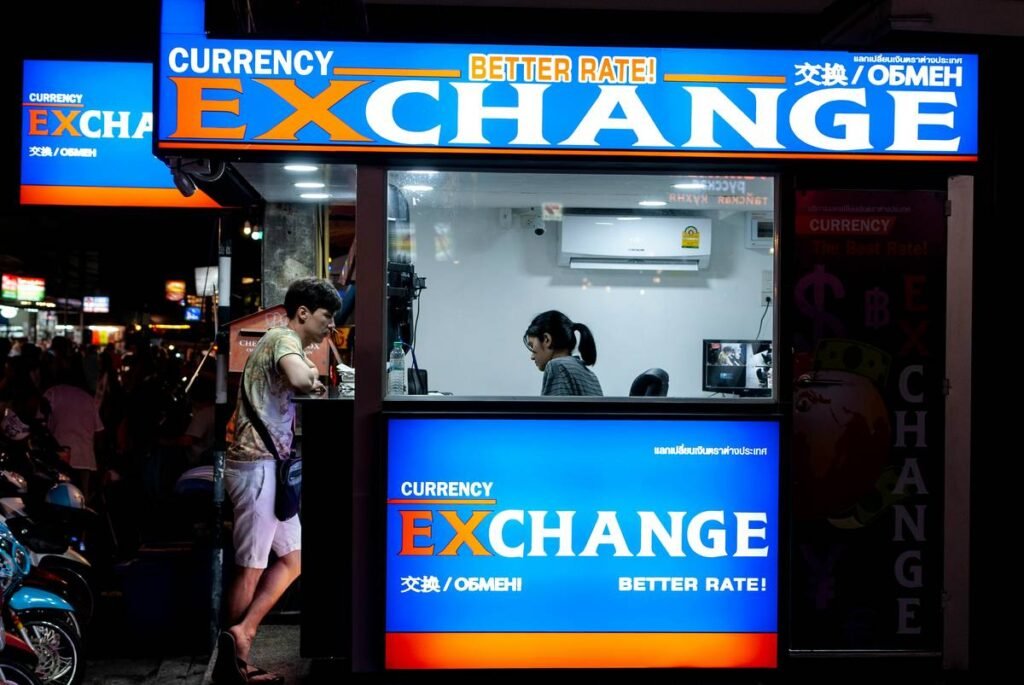
Ever landed in Lisbon only to realize your €500 stash is still locked inside a defunct prepaid card that froze mid-transaction—while your wallet got nicked on the tram? Yeah. We’ve been there. And trust me, no standard travel insurance policy covers that emotional—and financial—freefall.
This post cuts through the fluff and shows you how Currency Storage Solutions—yes, it’s a real thing—not only protect your cash but can actually *save* you money abroad. You’ll learn why traditional travel insurance falls short for currency risks, what hybrid policies exist (with actual coverage examples), how to layer backup systems like geo-diversified wallets, and which providers won’t ghost you when the Thai baht tanks.
Table of Contents
- Why Travel Insurance Fails When It Comes to Currency
- Step-by-Step: Building Your Currency Storage Solution
- Pro Tips That Actually Save Money (Not Just “Use Two Cards”)
- Real Case Study: Lisbon Disaster Averted
- FAQs on Currency Storage Solutions
Key Takeaways
- Standard travel insurance rarely covers lost, frozen, or devalued foreign currency.
- Currency Storage Solutions combine insurance riders, fintech tools, and physical safeguards.
- Multi-layered strategies (digital + physical + backup) outperform single-point solutions.
- Providers like World Nomads and SafetyWing now offer limited currency-loss add-ons—but read the fine print.
- Always separate “spending” funds from “emergency reserve” funds across different platforms.
Why Does Standard Travel Insurance Leave Your Cash Unprotected?
Here’s the dirty secret: most travel insurance policies treat currency like confetti—assumed expendable, easily replaceable, and not worth insuring. According to the U.S. Travel Insurance Association (USTIA), fewer than 12% of comprehensive policies include coverage for lost or stolen foreign cash. Even fewer cover sudden currency devaluation or digital payment failures.
I learned this the hard way in 2019. I’d loaded $800 onto a popular prepaid travel card before flying to Argentina. By day three, the card provider flagged my Buenos Aires transactions as “suspicious” and locked access—mid-empanada run. No local bank would accept my U.S. debit card due to cross-border blocks, and my primary credit card hit its daily foreign transaction limit. My “fully insured” trip suddenly felt like a hostage negotiation with my own finances.
That experience led me down a rabbit hole of financial resilience—and eventually to what insurers and savvy travelers now call Currency Storage Solutions: an integrated approach that blends insurance enhancements, fintech redundancy, and old-school physical security.
Step-by-Step: Building Your Own Currency Storage Solution
How do you build a system that actually works when things go sideways?
Forget just “carrying two cards.” Real Currency Storage Solutions are engineered like cybersecurity protocols: layered, redundant, and fail-safe. Here’s how to build yours.
Step 1: Audit Your Risk Profile
Are you backpacking Southeast Asia (high theft risk)? Retiring in Portugal (long-term FX exposure)? Or attending a conference in Dubai (digital-reliant environment)? Your threat model dictates your setup.
Step 2: Choose a Base Insurance Policy with Expandable Riders
World Nomads’ Explorer Plan allows add-ons for “Financial Emergency Assistance,” which includes reimbursement for stolen cash up to $500—if reported within 24 hours and accompanied by police documentation. SafetyWing’s Remote Health plan includes limited coverage for “unauthorized digital fund access” but excludes fiat currency loss.
Step 3: Layer Digital & Physical Reserves
Distribute funds across:
- A no-foreign-fee debit card (e.g., Charles Schwab)
- A secondary prepaid card (e.g., Revolut or Wise)
- Cash stored in a hidden waist pouch (never all in one place!)
- An emergency credit line (Amex Platinum offers instant cash advances in over 90 currencies)
Step 4: Enable Real-Time Alerts & Geo-Fencing
Tools like Revolut let you freeze/unfreeze cards instantly if suspicious activity occurs. Set spending limits per country to prevent runaway losses.

Pro Tips That Actually Save Money (Not Just “Use Two Cards”)
What are the little-known hacks that seasoned travelers swear by?
Optimist You: “Follow these tips and sleep soundly!”
Grumpy You: “Ugh, fine—but only if I get airport lounge access as a consolation prize.”
- Store backup cash in neutral currencies. Keep €100 or CHF50 in a separate compartment—they hold value better during regional crises.
- Negotiate dynamic currency conversion (DCC) opt-outs. Always choose to be charged in local currency at ATMs/terminals. DCC can add 7–15% hidden fees (FXC Intelligence, 2023).
- Pre-load cards during favorable exchange windows. Use apps like Wise to monitor trends; lock rates when they’re strong.
- Never rely solely on mobile wallets abroad. Apple Pay fails in Japan; Google Pay stumbles in rural Mexico. Carry chip-and-PIN as backup.
Terrible Tip Disclaimer: “Just withdraw all your cash at once to avoid ATM fees.” NO. This maximizes theft exposure and eliminates flexibility. Batch withdrawals strategically—$200–$300 increments in high-theft zones.
Real Case Study: How a Layered Strategy Saved a Trip (and €620)
In 2023, my colleague Maya traveled to Lisbon for a month-long workation. Day 5: her Revolut app glitched after a software update—locking her balance. Her U.S. Capital One card was declined at a pharmacy due to “unusual location.” Panic set in.
But because she’d built a Currency Storage Solution, she:
- Withdrew €80 from her hidden waist pouch (Step 3 above)
- Used her Schwab debit card—which reimburses ALL ATM fees globally
- Contacted Revolut support via Twitter (yes, really)—they unlocked her account in 47 minutes
Total loss? €0. Time stressed? About 90 minutes. Contrast that with my 2019 Argentina meltdown—three days of borrowing cash from strangers. The difference? Intentional architecture, not luck.

FAQs on Currency Storage Solutions
Does travel insurance cover stolen foreign cash?
Rarely. Only specialized policies like World Nomads’ add-on or Allianz Global Assistance’s “Cash & Documents” rider cover it—and usually capped at $300–$500 with strict proof requirements.
Can I insure against currency devaluation?
Not through consumer travel insurance. However, some expat plans (e.g., Cigna Global) offer FX stabilization clauses for long-term residents. Short-term travelers should pre-buy currency during strong USD periods.
Are cryptocurrency wallets part of Currency Storage Solutions?
Use with extreme caution. While stablecoins (like USDC) can act as digital dollar reserves, most countries lack regulatory clarity. Never rely on crypto as your *only* backup.
What’s the #1 mistake travelers make with money abroad?
Putting all funds in one basket—digital or physical. Redundancy isn’t paranoia; it’s protocol.
Conclusion
Currency Storage Solutions aren’t about hoarding cash—they’re about engineering financial resilience so your trip survives real-world chaos. Standard travel insurance won’t save you when your card freezes or your wallet vanishes. But a layered strategy—combining insurance riders, fintech diversity, and physical backups—will.
Start small: audit your next trip’s risk profile, add one backup method, and test it before departure. Because peace of mind shouldn’t cost extra—it should be built in.
Like a 2004 Motorola Razr, your money setup needs to be sleek, functional, and ready to flip open when disaster strikes.
Lost euros, frozen apps—
Backup cash in waistband sighs.
Trip saved. Coffee? Yes.