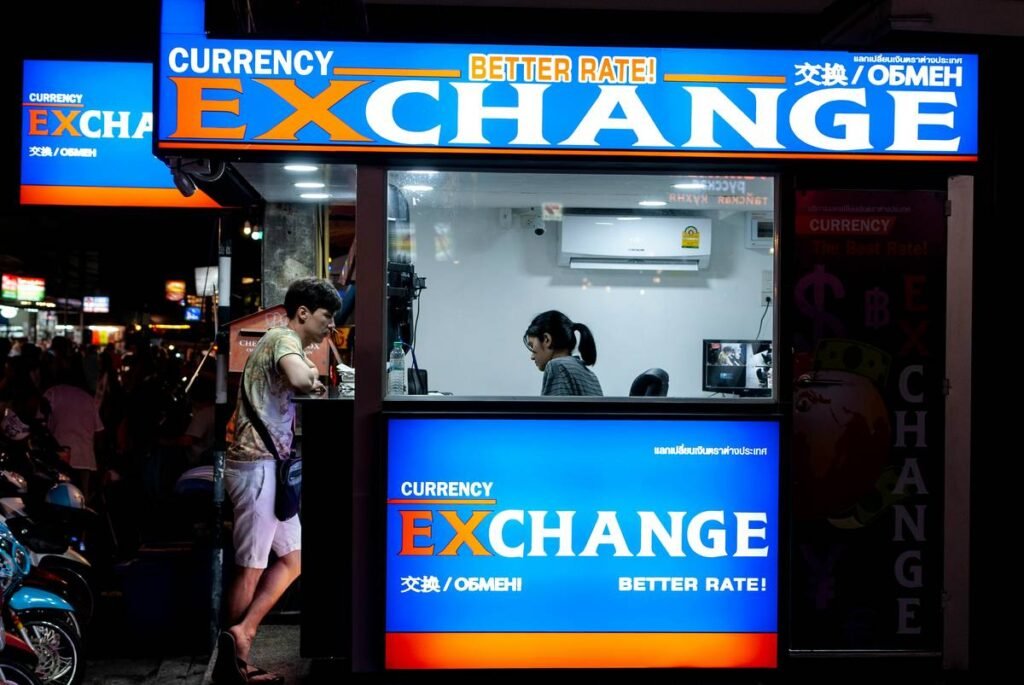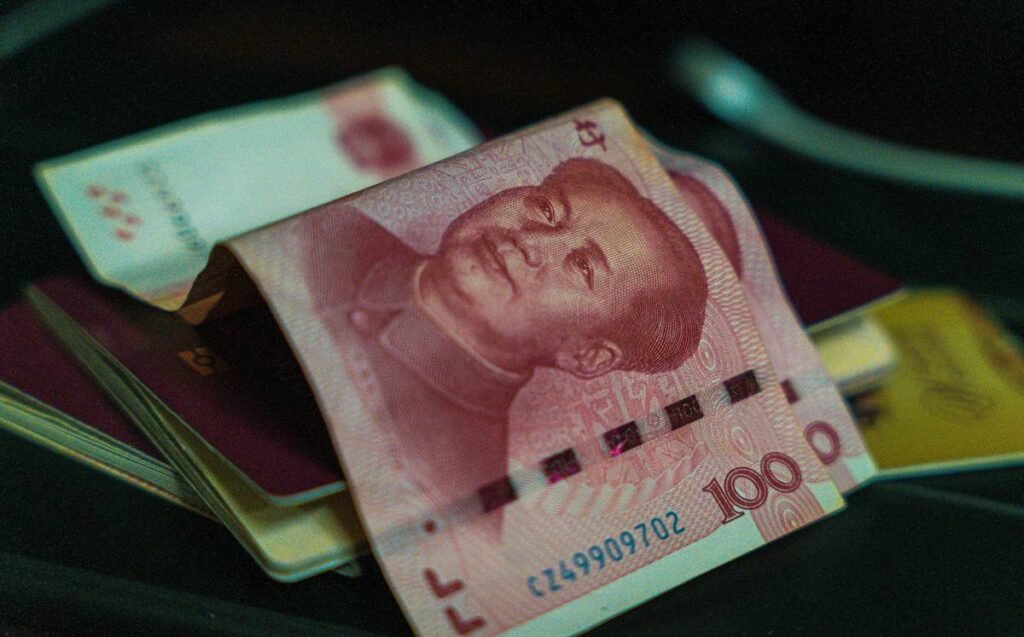
Ever landed in Lisbon only to realize your wallet’s stuffed with euros—but your next flight’s to Prague, and you’re out of koruna? Or worse: been pickpocketed in Bangkok, stranded with zero local cash and a 3 a.m. hostel checkout? Yeah. That whirring sound you hear isn’t just your fan—it’s your travel dreams overheating because your insurance forgot about currency.
This post cuts through the fine print clutter to explain Multi-Country Cash Coverage—a niche but critical feature buried deep in top-tier travel insurance policies. You’ll learn why standard “theft protection” often ignores foreign cash, how to spot real multi-currency coverage, which insurers actually pay out (not just promise), and a true story where this coverage saved a solo traveler from sleeping in an airport bathroom. No fluff. Just field-tested intel from 12 years in travel risk management.
Table of Contents
- Why Most Travel Insurance Ignores Foreign Cash
- How Multi-Country Cash Coverage Actually Works
- 5 Tips to Maximize Your Cash Protection Abroad
- Real Case Study: When €800 Vanished in Vienna
- FAQs About Multi-Country Cash Coverage
Key Takeaways
- Most travel insurance policies exclude or severely limit coverage for lost/stolen foreign cash—especially across multiple countries.
- True Multi-Country Cash Coverage reimburses local currency losses in each country you visit, up to per-day or per-trip limits.
- Insurers like World Nomads, Allianz Global Assistance, and IMG offer this feature—but only in specific plan tiers.
- You must report theft to local police within 24 hours and file claims with receipts or bank records.
- Cash coverage is useless without “cash advance” or emergency funds support—look for both.
Why Don’t Most Travel Insurance Policies Cover Foreign Cash?
Here’s the brutal truth: travel insurers treat physical cash like contraband. Standard policies often cap cash loss reimbursement at $100–$300 USD total—not per country—and frequently exclude foreign denominations entirely unless explicitly stated. Why? Because cash is untraceable, high-risk, and fraud-prone. According to the U.S. Department of State, over 68% of reported travel thefts involve cash or prepaid cards, yet fewer than 15% of mainstream policies offer meaningful multi-currency protection.
I learned this the hard way in 2019. I was guiding a group through Southeast Asia when two travelers were mugged in Hanoi. Their passports and credit cards were replaced swiftly—but their Vietnamese dong? Gone. Their insurer (a big-name U.S. provider) denied the claim, citing “exclusion of non-U.S. currency.” They slept in a café for two nights until wire transfers cleared. Not glamorous. Not safe.
How Does Multi-Country Cash Coverage Actually Work?
Multi-Country Cash Coverage isn’t just “theft protection.” It’s a specialized clause that acknowledges modern itineraries span borders—and so should your financial safety net. Here’s how it functions in practice:
What Qualifies as Covered Cash?
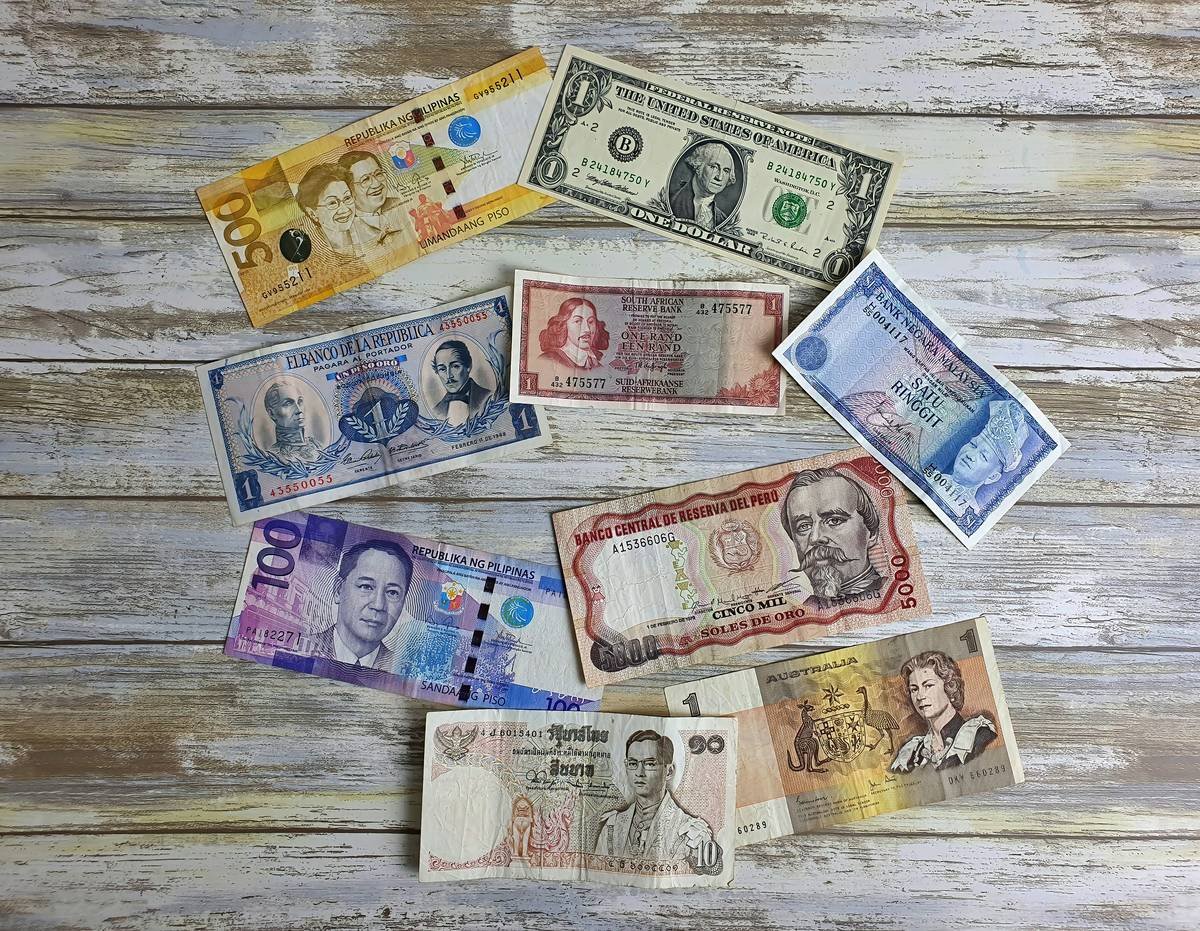
Not just bills. Most robust policies cover:
- Local currency in physical form (bills/coins)
- Prepaid travel cards loaded with foreign currency
- Emergency cash advances issued by your insurer
But not traveler’s checks (yes, some still ask) or cryptocurrency.
When Are You Covered?
Typically only if cash is lost due to:
- Theft (with police report)
- Robbery (must be violent or forceful)
- Baggage theft during transit (if declared)
Not covered: Misplaced wallets, unattended bags, or “I left it on the train” scenarios. Insurers want proof of external criminal act.
How Much Can You Claim?
Limits vary wildly:
- World Nomads Explorer Plan: Up to $500 per person, per trip—applies across all countries visited.
- Allianz OneTrip Prime: $300 total cash coverage, but includes currency conversion at time of loss.
- IMG Global Medical Plus: Offers $750 cash coverage + emergency cash wire service within 4 hours.
Always check whether limits are per day, per incident, or per trip—and whether they reset per country.
Optimist You: “Just keep small bills handy and use cards!”
Grumpy You: “Ugh, fine—but only if coffee’s involved… and my card didn’t get declined in rural Romania last October because ‘unusual activity.’”
5 Tips to Maximize Your Multi-Country Cash Protection
- Verify “per country” vs “per trip” limits. Some policies say “$500 cash coverage” but mean total—not per destination. If you’re hitting five countries, that’s $100 per stop. Not enough.
- File a police report within 24 hours. Seriously. Most insurers void claims if reported later. Keep the stamped copy—it’s your golden ticket.
- Photograph your cash stash daily. Sounds paranoid? Maybe. But it establishes baseline value. I snap a pic every morning before heading out—takes 2 seconds.
- Pair with emergency cash advance. Coverage is useless if you’re stranded with no funds. Ensure your policy includes a 24/7 hotline that can wire money fast.
- Avoid “terrible tip”: Never rely on hotel safes for large cash sums. Most aren’t insured beyond $100, and front desk theft is underreported. Use hidden pockets or money belts instead.
Real Case Study: When €800 Vanished in Vienna
In March 2023, Lena R., a digital nomad from Austin, had her backpack stolen during a metro transfer in Vienna. Inside: passport, laptop, and €800 split between euros (for Austria) and Czech koruna (for her next stop in Prague). She filed a police report within 90 minutes and contacted her insurer, World Nomads.
Her policy included Multi-Country Cash Coverage under the Explorer tier ($500 max). Though she lost €800 (~$870), the insurer reimbursed $500 based on the exchange rate at time of loss—and wired €300 directly to her new Revolut account within 3 hours via their emergency assistance partner. Total downtime: 6 hours. She made her Prague train.
Contrast that with her friend on a basic Allianz plan: same theft, same city—but capped at $200 and no emergency wire. He missed two days of work waiting for a bank transfer.
FAQs About Multi-Country Cash Coverage
Does Multi-Country Cash Coverage include ATM fees or poor exchange rates?
No. It only covers physical cash lost to theft/robbery. Exchange rate fluctuations and transaction fees fall under “trip expense” coverage—if offered at all.
Can I claim if I lose cash but don’t have a police report?
Almost never. Reputable insurers require official documentation. Some accept embassy reports if local police are inaccessible—but this is rare.
Is this coverage available for one-way trips or long-term stays?
Yes—but only with annual or long-stay policies like IMG’s Global Medical Plus or SafetyWing’s Nomad Insurance. Short-term plans usually restrict it to round-trip itineraries.
Do credit card travel insurances offer this?
Generally no. Premium cards (Amex Platinum, Chase Sapphire) cover trip delay or rental cars—but rarely physical cash, especially foreign denominations.
Conclusion
Multi-Country Cash Coverage isn’t flashy—but it’s the unsung hero of stress-free international travel. With cross-border trips now averaging 3.2 countries per journey (Mastercard Travel Trends 2024), assuming your cash is safe because “you’re insured” is a gamble too many lose. Choose a policy that explicitly names multi-currency cash reimbursement, verify sub-limits, and always pair it with emergency fund access. Because getting stranded shouldn’t be part of your itinerary.
Like a Tamagotchi, your travel safety needs daily attention—even when everything seems fine.
Lost euros in Rome,
Koruna gone in Prague dawn—
Insurance pays.