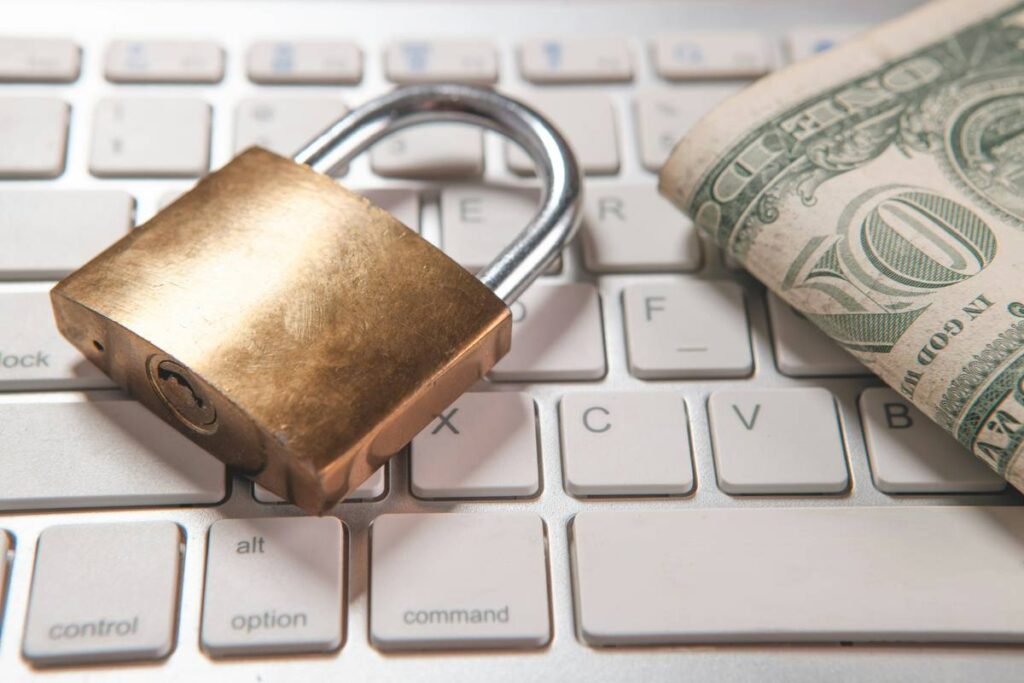
You land in Lisbon. Your card gets declined. You rush to the nearest ATM—only to lose 8% in fees and terrible rates. And that’s before your phone is snatched, your emergency cash gone. Standard travel insurance won’t touch this. But world x money exchange gaps are where trips unravel.
Why Your “Safe” Currency Strategy Is a Trap
Prepaid travel cards? Dynamic currency conversion offers at hotels? Airport kiosks with “0% commission” signs? They’re wolves in sheep’s clothing. Banks and third-party processors bake in markups of 4–7%—quietly, invisibly.
And standard travel insurance policies? They cover medical emergencies or trip cancellations. Not stolen local currency. Not frozen cards abroad. Not sudden forex crashes mid-vacation. You’re exposed. Totally.
How to Lock Down Your Travel Money—Step by Step
The goal isn’t just exchanging money—it’s insuring its value and access from departure to return.
Step 1: Ditch Single-Point Reliance
Never carry all funds on one card or in one currency form. Split between a no-foreign-fee debit card, a small cash reserve in major currency (USD/EUR), and a backup digital wallet like Revolut or Wise—preloaded before you fly.
Step 2: Activate Real-Time Alerts & Geo-Fencing
Your bank app should ping you the second a transaction occurs outside your expected zone. Freeze cards instantly if something feels off. Seconds matter more than insurance clauses here.
Step 3: Embed Exchange Protection Into Your Policy
This is where most stumble. Ask explicitly: “Does my plan include currency loss reimbursement if cash/cards are stolen?” If not, add a rider—or switch providers. Some niche insurers now bundle forex fluctuation buffers for long-stay travelers.
| Method | Avg. Effective Cost* | Theft Coverage? | Best For |
|---|---|---|---|
| Airport Kiosk | 6–9% | No | Last-resort emergencies |
| Hotel Front Desk | 5–8% + poor rates | No | Convenience (at high cost) |
| Bank ATM Abroad | 1–3% + possible flat fee | No (unless linked to insured account) | Daily withdrawals |
| Digital Multi-Currency Card (e.g., Wise) | 0.3–0.7% | Yes—with optional travel add-on | Primary spending + backup |
| World X Money Exchange Insurance Bundle | ~1.5% premium | Yes—covers theft, seizure, forex drop | High-value trips, remote destinations |
*Includes all hidden markups, not just “commission.”

The Dirty Secret Brokers Won’t Tell You
Most “travel money” products profit from your ignorance—not your safety. Here’s the industry whisper: catastrophic currency loss claims are routinely denied under vague “negligence” clauses if you withdrew “excessive” local cash. What’s excessive? Sometimes as low as $300. Insurers count on you not reading sub-clause 14(b).
But—and this is key—if your policy includes pre-trip certified currency declaration, you lock in coverage limits upfront. Few travelers do this. Even fewer agents mention it. It’s paper-shuffling that shifts you from “reckless tourist” to “documented planner” in the insurer’s eyes. Do it. Email your provider. Get confirmation.
Frequently Asked Questions
Does world x money exchange cover crypto losses while traveling?
No mainstream provider covers crypto volatility or wallet hacks. Stick to regulated fiat channels for insured spending.
Can I claim if my cash is stolen from a hotel safe?
Only if your policy explicitly lists “safe deposit theft” and you filed a police report within 24 hours. Assume no—unless proven otherwise.
Is dynamic currency conversion ever worth it?
Almost never. The merchant’s “locked rate” is always worse than your card’s wholesale rate. Always choose to be billed in local currency.