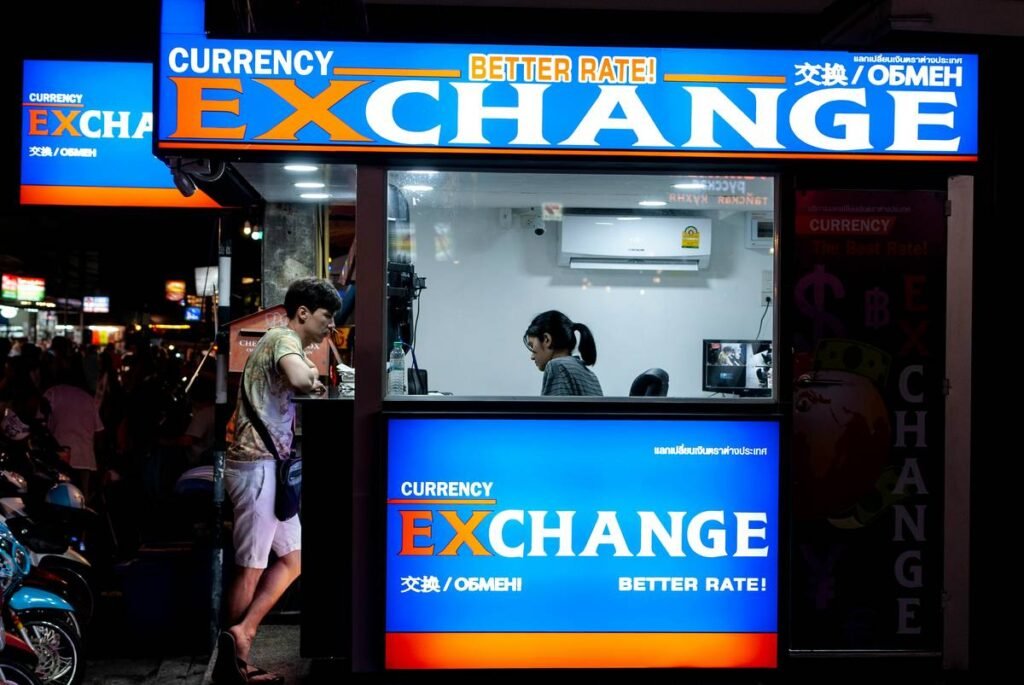
Picture this: You’re in a bustling Bangkok night market, haggling for silk scarves. You tap your pocket—empty. Your wallet? Gone. With it: 8,000 Thai baht (about $225 USD), your return taxi fare, and your peace of mind. Sound like a travel nightmare? It happens more often than you think—and standard travel insurance rarely covers cold hard cash.
If you’ve ever lost local currency abroad—or watched a friend get scammed by a too-good-to-be-true street money changer—you know how vulnerable travelers are when carrying physical money. That’s where Travel Cash Insurance comes in: a niche but critical layer of protection most globetrotters overlook until it’s too late.
In this guide, you’ll learn:
- What Travel Cash Insurance actually covers (and what it doesn’t)
- How to compare policies that include currency loss protection
- Real-life examples of claims that succeeded (and failed)
- Actionable steps to avoid common pitfalls when claiming cash losses
Table of Contents
- What Is Travel Cash Insurance?
- Why Do So Many Travelers Skip This Coverage?
- How to Choose a Policy That Actually Covers Lost Cash
- Best Practices for Filing a Successful Claim
- Real-World Case Studies: When Travel Cash Insurance Saved the Trip
- FAQs About Travel Cash Insurance
Key Takeaways
- Most standard travel insurance policies exclude lost or stolen cash unless explicitly added.
- Travel Cash Insurance typically covers up to $500–$1,000 per trip, with strict conditions (e.g., police report required within 24 hours).
- Policies from providers like World Nomads, Allianz, and InsureMyTrip offer optional cash theft coverage—but read exclusions carefully.
- Digital wallets (Apple Pay, Google Pay) reduce reliance on cash but aren’t universally accepted; backup physical currency is still essential in many destinations.
- Always file a local police report immediately—it’s non-negotiable for valid claims.
What Is Travel Cash Insurance?
Travel Cash Insurance isn’t a standalone product—it’s a sub-limit under the “Personal Effects” or “Baggage & Personal Items” section of comprehensive travel insurance policies. It reimburses you for lost, stolen, or accidentally destroyed local currency during your trip—if specific conditions are met.
Here’s the catch: Most basic plans exclude cash entirely. According to the U.S. Travel Insurance Association (USTIA), only 38% of standard U.S.-sold travel insurance policies include any form of cash theft coverage—and those that do cap payouts between $250 and $1,000.
I learned this the hard way in Lisbon. My fanny pack was snatched mid-café stop—gone in 3 seconds. I had €300 in euros, my passport photocopy, and zero claim options because my policy excluded “unattended personal items” (even though I’d been holding it). The police report sat uselessly in my email for weeks.
Why Do So Many Travelers Skip This Coverage?
Optimist You: “I’ll just use my credit card everywhere!”
Grumpy You: “Tell that to the family-run guesthouse in rural Vietnam that only takes dong—and charges a 10% ‘card fee’ if you insist.”
The truth? Travelers assume digital payments solve everything. But reality check: In countries like Cambodia, Nepal, or parts of Latin America, cash is still king. Even in Europe, small vendors, transit tickets, and tips often require bills and coins.
Worse, many believe their home bank’s fraud protection covers physical cash theft. Spoiler: It doesn’t. Bank fraud coverage applies to electronic transactions—not wads of yen lifted from your backpack.
How to Choose a Policy That Actually Covers Lost Cash
Does your policy explicitly mention “cash,” “local currency,” or “monetary instruments”?
Don’t trust vague terms like “personal belongings.” Dig into the fine print under “Loss of Money.” Reputable insurers (e.g., World Nomads, IMG Global, Allianz Global Assistance) list exact sub-limits—for example: “Up to $750 for cash and traveler’s checks combined.”
What’s the claims process?
You’ll almost always need:
- A police report filed within 24 hours (some insurers say “as soon as possible”—but 24h is the unwritten rule)
- Proof of currency ownership (e.g., ATM withdrawal receipt, exchange slip)
- A completed claim form with incident details
Are there activity-based exclusions?
If you’re backpacking through Southeast Asia, confirm coverage isn’t voided by “high-risk destinations.” Some policies exclude countries on government travel advisories—even if you’re just passing through.
Best Practices for Filing a Successful Claim
- File a police report IMMEDIATELY. No report = automatic denial. In most countries, tourist police stations exist specifically for this—find them via your embassy website.
- Keep ATM/exchange receipts. These prove you legally possessed the amount claimed. Without them, insurers may cap reimbursement at $100 regardless of loss.
- Snap photos of your cash before leaving home. Weird? Yes. Effective? Absolutely. Shows pre-trip intent and amount.
- Notify your insurer within 48 hours. Delays raise red flags—even if your policy allows 30 days.
RANT TIME: Why do some insurers deny claims because you “failed to exercise reasonable care”? If a pickpocket lifts your wallet while you’re ordering coffee—that’s not negligence. That’s Tuesday in Barcelona. Stop blaming victims.
Real-World Case Studies: When Travel Cash Insurance Saved the Trip
Case Study 1: Sarah K., Bali – Pickpocketed at Temple
Sarah had IDP Travel Insurance with a $600 cash sub-limit. Her purse was stolen while visiting Tanah Lot Temple. She filed a police report within 2 hours and submitted her ATM slip showing a ¥90,000 withdrawal (≈$600). Claim approved in 11 days. Reimbursement: $580 (after $20 deductible).
Case Study 2: Miguel R., Mexico City – Scam by Fake Money Changer
Miguel exchanged $400 USD with a street vendor who gave him counterfeit pesos. His Allianz policy covered “fraudulent currency exchange” up to $500—but only because he reported it to local authorities AND got a written statement from his hotel concierge confirming the scam. Took 3 weeks, but he recovered $375.
FAQs About Travel Cash Insurance
Does Travel Cash Insurance cover cryptocurrency?
No. Digital assets like Bitcoin are never covered under traditional travel insurance. Some specialty cyber policies exist—but they’re rare and expensive.
What if I lose cash in a natural disaster (e.g., flood)?
Usually yes—as long as you report it promptly and can prove ownership. Check your policy’s “Acts of God” clause.
Can I buy Travel Cash Insurance after my trip starts?
Almost never. Policies must be purchased before departure. Some “cancel for any reason” (CFAR) add-ons allow post-departure purchases, but they don’t extend to cash coverage.
Is traveler’s checks still covered?
Yes—and sometimes preferred! Many insurers reimburse 100% of traveler’s check value since they’re traceable. American Express still sells them, and they’re accepted at major banks worldwide.
Conclusion
Travel Cash Insurance won’t make you rich, but it can rescue your trip from financial disaster when physical money vanishes. Remember: Always verify cash coverage before booking, keep proof of funds, and file that police report faster than you’d order emergency espresso.
Carry less cash than you think you need—but insure every bill you do carry. Because losing your wallet shouldn’t mean losing your vacation.
Like a Tamagotchi, your peace of mind needs daily care… and occasional insurance upgrades.
Lost baht in Bangkok,
Police report saves the day—
Cash insurance pays.