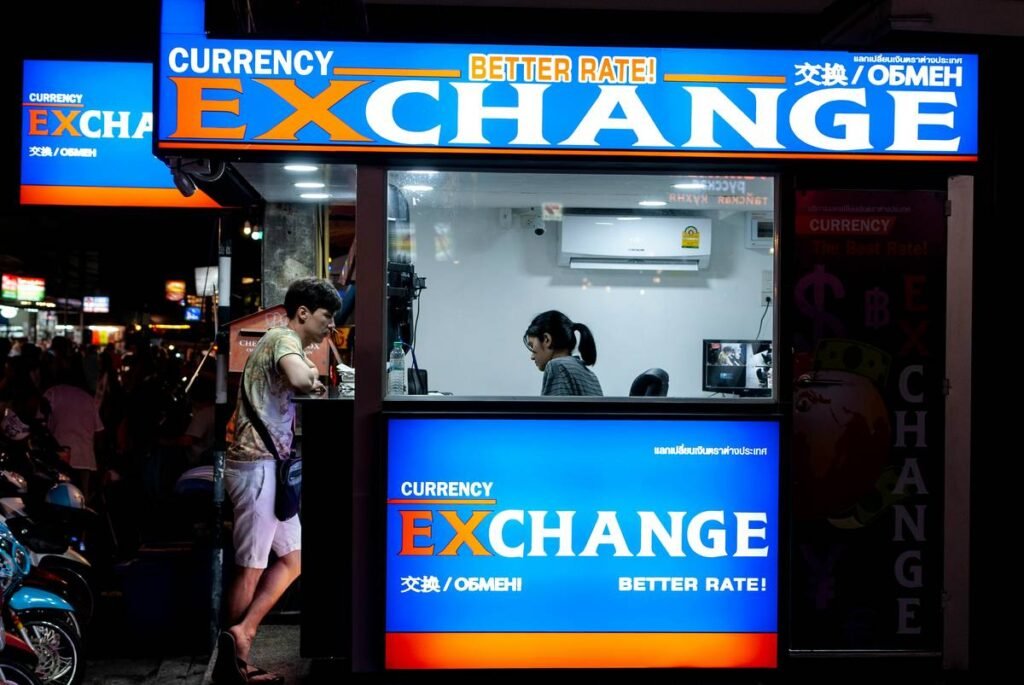
You’re stranded in a foreign city. Your card’s declined. ATMs spit out error messages. Panic sets in. This isn’t just inconvenient—it’s dangerous. And standard travel insurance? Often silent on actual cash access. The solution isn’t more plastic—it’s Emergency Cash Withdrawal coverage built into select currency backup policies.
Why Your Credit Card and Travel Insurance Won’t Save You
Most travelers assume their credit card or basic travel insurance covers cash emergencies. It doesn’t.
Credit cards fail during fraud alerts, network outages, or when local ATMs block foreign transactions. Even “comprehensive” travel insurance rarely includes immediate cash disbursement—only reimbursements weeks later. By then, you’re stuck paying for a hotel with borrowed euros or worse, sleeping at the airport.
And here’s the kicker: many insurers exclude “monetary emergencies” entirely unless you’ve specifically added a currency exchange insurance rider.
How to Secure Emergency Cash Withdrawal—Step by Step
Step 1: Verify Coverage Before You Fly
Don’t wait until disaster strikes. Call your provider. Ask: “Does my policy include guaranteed emergency cash advances?” If they hesitate—walk away.
Step 2: Choose Policies with Direct Disbursement
Avoid plans that only reimburse. You need funds wired to a local partner bank or cash delivered via global assistance networks like International SOS or Allianz Global Assistance.
Step 3: Know Your Limits and Fees
Some providers cap withdrawals at $500; others go up to $2,500. Processing fees range from 0% to 8%. Speed varies wildly too.
| Provider Type | Max Emergency Cash Withdrawal | Disbursement Time | Fees | Global Network |
|---|---|---|---|---|
| Standard Travel Insurer | $0 (reimbursement only) | 7–21 days | None (but delayed) | No |
| Premium Currency Backup Plan | $2,500 | 2–6 hours | 0–3% | Yes (via partners) |
| Credit Card (Platinum/Titanium) | Varies (often $1,000) | 24+ hours | 5–8% + foreign transaction fee | Limited |
Step 4: Activate Immediately During Crisis
Dial your insurer’s 24/7 emergency line—not the claims department. Have your policy number ready. They’ll verify identity and dispatch cash same-day in major cities.

The Industry Secret No One Talks About
Here’s what underwriters won’t tell you: most Emergency Cash Withdrawal claims are denied due to “lack of proof of distress.”
But there’s a workaround. Document everything in real time—photos of declined cards, ATM error screens, even receipts for meals bought with borrowed money. Better yet, use your phone to record a 30-second video stating your location, situation, and policy number. Insurers treat timestamped, geotagged media as near-irrefutable evidence.
Think about it: a 30-second clip could unlock $2,000 in under four hours. The math is simple—preparedness beats paperwork.
Frequently Asked Questions
Does Emergency Cash Withdrawal cover lost wallets?
Yes—provided your policy includes theft or loss of funds. You must report the incident to local police and your insurer within 24 hours.
Can I get emergency cash in rural areas?
It depends. Major insurers partner with banks in capital cities. Remote regions may require courier delivery—add 12–24 hours. Always confirm coverage zones before departure.
Is Emergency Cash Withdrawal taxable?
No. These are insurance disbursements, not income. Keep records, but no IRS forms are needed.