You land in Bangkok. Swipe your card for a taxi—declined. ATMs spit out error messages. Your primary card’s been frozen due to “suspicious activity.” Panic sets in. This happens to over 12% of international travelers annually. But here’s the fix: Backup Card Protection. It’s not just carrying a second card—it’s deploying a failsafe that activates when everything else fails.
Why Traditional “Just Carry a Second Card” Advice Fails Miserably
Most travel blogs tell you to “bring a backup card.” Great. Except that card is often issued by the same bank, uses the same network, or shares identical fraud triggers. One red flag flags both. And if your backup is a prepaid travel card loaded in USD? Good luck when it gets blocked mid-purchase in Marrakech because it lacks dynamic currency authentication.
The illusion of redundancy isn’t protection—it’s procrastination with plastic.
Backup Card Protection: A Tactical Step-by-Step System
True Backup Card Protection means layered, independent financial instruments designed to survive real-world chaos—not just airport coffee runs.
Diversify Your Issuing Banks and Networks
Never carry two cards from the same institution. Better yet—use one Visa from a U.S. credit union and a Mastercard linked to a European digital bank. Different fraud algorithms, separate risk teams. If one locks you out, the other likely won’t even notice you’ve left the country.
Enable Real-Time Notifications—Then Test Them
Notifications are useless if they arrive after your card’s already frozen. Turn them on, then make a tiny foreign transaction at home. Did the alert ping instantly? If not, switch banks before you board.
Store Physical and Digital Copies Separately
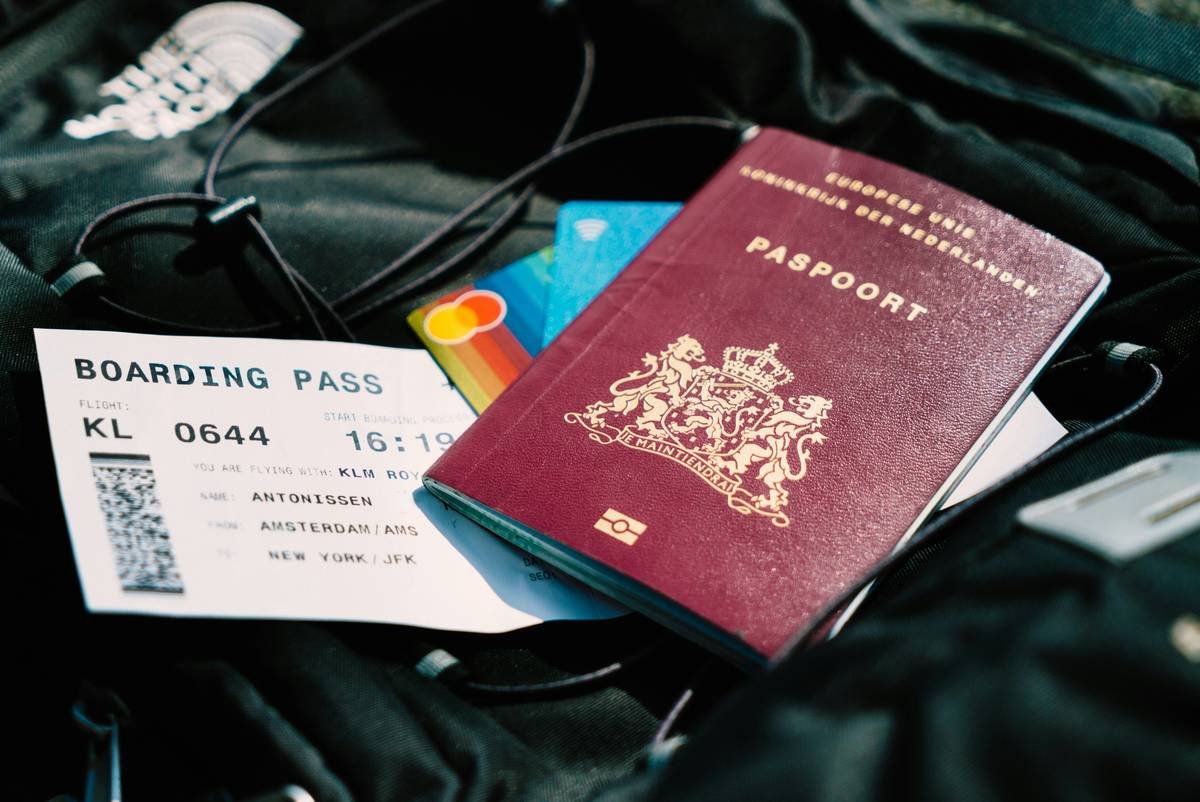
Keep one backup card in your hotel safe, another in your money belt. Save encrypted screenshots of card details in a password manager—not your phone’s photo gallery. Thieves target phones first.
Compare Your Options: Not All Backups Are Equal
| Method | Activation Speed | Currency Flexibility | Fraud Resilience |
|---|---|---|---|
| Second card from same bank | Instant | Low (same FX rates) | Poor — shared risk profile |
| Prepaid travel card | Pre-loaded only | Medium (pre-set currencies) | Fair — but static limits |
| Truly independent backup card + mobile wallet | Under 60 seconds | High — dynamic conversion | Excellent — isolated systems |

The Industry Secret: Banks Profit When Your Backup Fails
Here’s what no financial advisor will say: Many banks quietly earn more from cross-border decline fees and emergency card replacement charges than from standard FX margins. If your “backup” solution lives inside their ecosystem, they have zero incentive to keep it working abroad. True Backup Card Protection requires stepping outside that walled garden—using fintechs like Revolut or Wise alongside traditional banks. Why? Because these systems operate on separate rails, with real-time settlement and localized compliance protocols that legacy banks simply can’t match. The math is simple: independence equals availability.
FAQ
What exactly is Backup Card Protection?
It’s a strategic combination of physically separate payment methods—ideally from different institutions and networks—that activate seamlessly during international card failures, preventing currency exchange emergencies.
Do I need special insurance for Backup Card Protection?
Not necessarily. While some premium travel policies include card loss coverage, true Backup Card Protection relies on structural redundancy, not insurance claims—which take days to process.
Can I use digital wallets as part of Backup Card Protection?
Absolutely—if linked to an independent account. Apple Pay or Google Wallet tied to your main bank offers no real backup. But adding a Wise or N26 virtual card creates genuine failover capability.