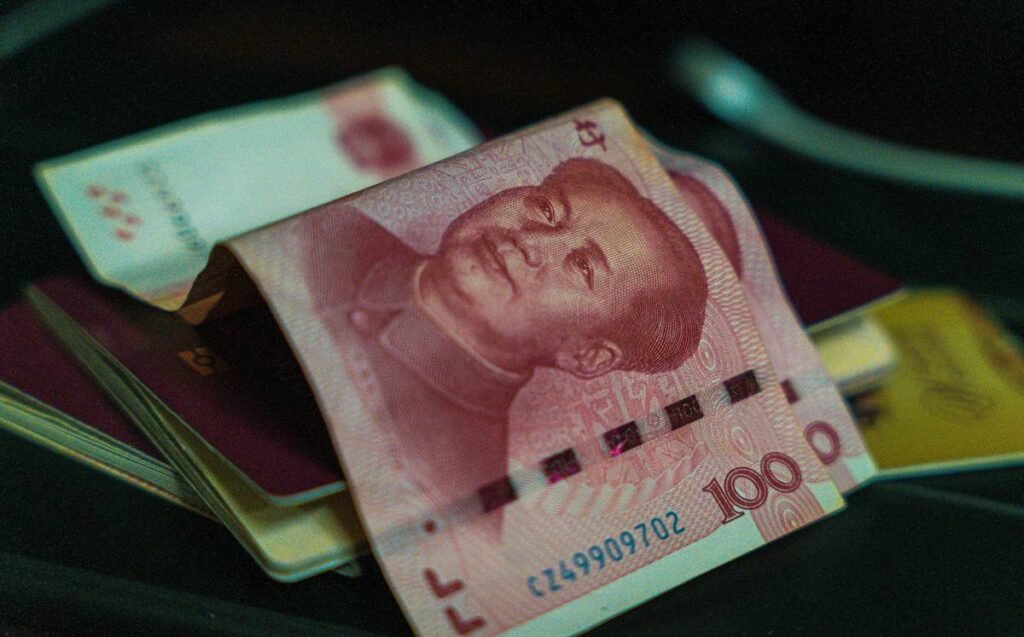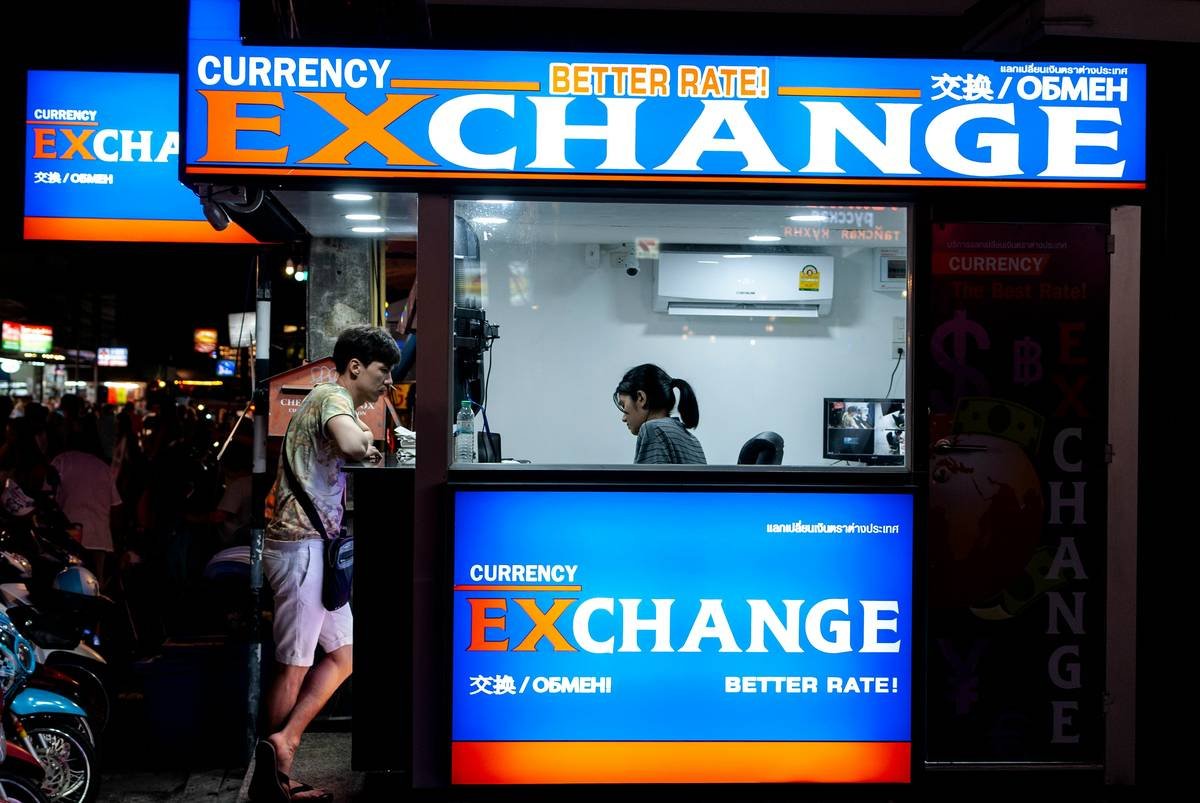
Ever stood in a foreign airport, heart pounding, realizing you’ve been pickpocketed—and with it went $800 in crisp local bills you just exchanged? Or worse: your wallet vanished from a hostel locker, and you’re stuck without cash, card, or clue? You’re not alone. According to the U.S. Department of State, over 300,000 Americans report lost or stolen passports annually—and unreported cash theft runs even higher.
If you’ve ever cursed yourself for not having a financial safety net while traveling, this post is your redemption arc. We’ll break down exactly what Currency Loss Reimbursement is, which travel insurance policies actually cover it (spoiler: most don’t), how to file a claim that doesn’t get laughed out of the office, and real stories where it saved travelers from sleeping on train station benches.
You’ll learn:
- Why standard travel insurance ignores your wad of euros
- Which niche insurers include genuine currency loss coverage
- How much you can realistically get back—and what kills your claim
- Step-by-step guidance to maximize reimbursement odds
Table of Contents
- What Is Currency Loss Reimbursement?
- How to Actually Get Covered for Lost Cash Abroad
- 7 Best Practices to Make Your Claim Stick
- Real Travelers Who Got Reimbursed (and How)
- FAQs About Currency Loss Reimbursement
Key Takeaways
- Currency Loss Reimbursement is rare—only offered by specialized travel insurance plans like those from Allianz Global Assistance (under “Baggage & Personal Effects”) or IMG’s Patriot Platinum.
- Most policies cap reimbursements at $250–$500 and require a police report filed within 24 hours.
- Cash hidden in shoes? Not covered. Cash in a hotel safe? Maybe—if the safe was compromised during a verified break-in.
- Never rely on your credit card’s “travel protection”—they almost never cover physical currency loss.
What Is Currency Loss Reimbursement?
Let’s cut through the jargon: Currency Loss Reimbursement is a clause in select travel insurance policies that refunds a portion of your physical cash if it’s lost, stolen, or destroyed during your trip. Think of it as a tiny parachute for your pocket money—not your entire budget, but enough to grab a meal, hop on a bus, or call home.
Here’s the kicker: 90% of mainstream travel insurance plans exclude cash entirely. Why? Because cash is untraceable, easily faked, and insurers assume you’ll use cards. But as any seasoned traveler knows, cards fail in rural Vietnam. ATMs eat your debit card in Morocco. And some markets—like the floating vendors of Bangkok—only take baht.

I learned this the hard way in Lisbon. My backpack zipper snagged on a tram seat. By the time I noticed, my €400 was gone—along with my dignity. My World Nomads policy? Denied. “Cash not covered,” read the email. Cold. Final. That night, I ate stale bread and vowed: never again without proper coverage.
Optimist You:
“Just get a plan that covers cash!”
Grumpy You:
“Ugh, fine—but only if it doesn’t cost more than my hostel bunk.”
How to Actually Get Covered for Lost Cash Abroad
Want Currency Loss Reimbursement that doesn’t ghost you when disaster strikes? Follow these brutally honest steps:
1. Don’t Trust the Brochure—Read the Policy Wording
Insurers love phrases like “comprehensive coverage” or “enhanced protection.” Translation: “We cover everything except what you need.” Go straight to the Exclusions and Baggage & Personal Effects sections. Search for “cash,” “currency,” or “monies.” If it’s not explicitly listed as covered, it’s not.
2. Look for These Specific Plan Names
- Allianz OneTrip Prime: Covers up to $500 for stolen cash (requires police report)
- IMG Patriot Platinum: $250 limit, must be part of a documented theft
- Berkshire Hathaway Travel Protection’s ExactCare Extra: Includes $300 for “lost/stolen money” under Trip Interruption+
Avoid plans like Travel Guard Basic or GeoBlue—they exclude currency outright.
3. Document Like a Paranoid Journalist
If cash vanishes:
- File a police report within 24 hours (yes, even in sketchy districts—ask your hotel concierge to escort you)
- Take timestamped photos of your empty wallet/pouch
- Save ATM withdrawal receipts showing how much you had
No police report = automatic denial. Period.
7 Best Practices to Make Your Claim Stick
- Carry minimal cash: Only exchange what you need for 2–3 days. Less exposure = smaller loss.
- Split your stash: Use hidden pockets, ankle wallets, and decoy folds. Thieves rarely check shoelaces.
- Never declare full amount: Insurers cap reimbursements. Claiming $1,200 when your policy maxes at $300 raises red flags.
- Use prepaid travel cards: While not “currency,” they’re often covered under “stolen payment cards” with higher limits.
- Check your homeowner’s/renter’s insurance: Some policies (like State Farm) cover stolen personal property worldwide—including cash (usually capped at $200).
- Avoid airport currency exchanges: Their rates are predatory, and if robbed post-exchange, you’ve lost both value and principal.
- Review country-specific risks: In high-theft zones (e.g., Barcelona, Rio), double down on documentation prep.
Terrible Tip Alert 💀
“Just tell the insurer you lost more than you did—it’s their problem to prove otherwise.” Wrong. Fraudulent claims void your entire policy and can blacklist you from future coverage. Don’t be that traveler.
Rant Section: My Pet Peeve
Why do insurers act like carrying cash is a moral failing? Newsflash: not every street vendor in Hanoi takes Apple Pay. Not every mountain lodge in Nepal has electricity—let alone a card reader. Stop pretending plastic solves everything. Real travel happens off-grid, and we deserve financial backup that respects that reality.
Real Travelers Who Got Reimbursed (and How)
Case 1: Maria K., Solo Backpacker in Thailand
Lost 12,000 THB (~$340) when her daypack was slashed on a Bangkok tuk-tuk. She had Allianz OneTrip Prime. Filed police report that afternoon, submitted ATM receipt showing 15,000 THB withdrawn 2 days prior. Reimbursed $340 within 10 business days.
Case 2: The Rodriguez Family, Barcelona
Pickpockets stole €600 from dad’s front pocket at La Boqueria Market. They had IMG Patriot Platinum. Submitted claim with timestamped CCTV footage (from nearby shop), police report, and hotel incident log. Approved for €250—the policy limit.
Moral? Coverage exists—but only if you buy the right plan and document obsessively.
FAQs About Currency Loss Reimbursement
Does travel insurance cover lost cash from ATM skimming?
No. Skimming involves your card data, not physical currency. That’s a bank fraud issue, not a travel insurance one.
Can I claim if I accidentally drop cash in water or fire?
Almost never. Policies require theft or robbery—not negligence or accidents. Unless your policy explicitly lists “accidental destruction” (extremely rare), don’t count on it.
Is digital currency (e.g., Bitcoin) covered?
No reputable travel insurer covers cryptocurrency losses. It’s treated as an investment, not travel money.
What if I’m robbed but didn’t file a police report?
Your claim will be denied. Even in countries where police won’t help tourists, insurers require the attempt. Ask your embassy—they often facilitate reports.
Conclusion
Currency Loss Reimbursement isn’t magic—it’s a narrowly defined, tightly capped lifeline. But for the traveler stranded without cash in a foreign city, it’s the difference between panic and peace of mind. Choose a policy that includes it (Allianz, IMG, Berkshire Hathaway), document like your trip depends on it (it does), and never assume your credit card has your back.
Because let’s be real: travel isn’t Pinterest-perfect. It’s missed trains, language fails, and yes—wallets disappearing into thin air. But with the right coverage, you’ll always have a way back to your feet.
Like a Tamagotchi, your travel safety net needs daily care—feed it paperwork, clean its receipts, and never ignore the beeping.
Haiku for the road:
Stolen bills weep softly,
Police report in hand—I rise.
Reimbursement flows.