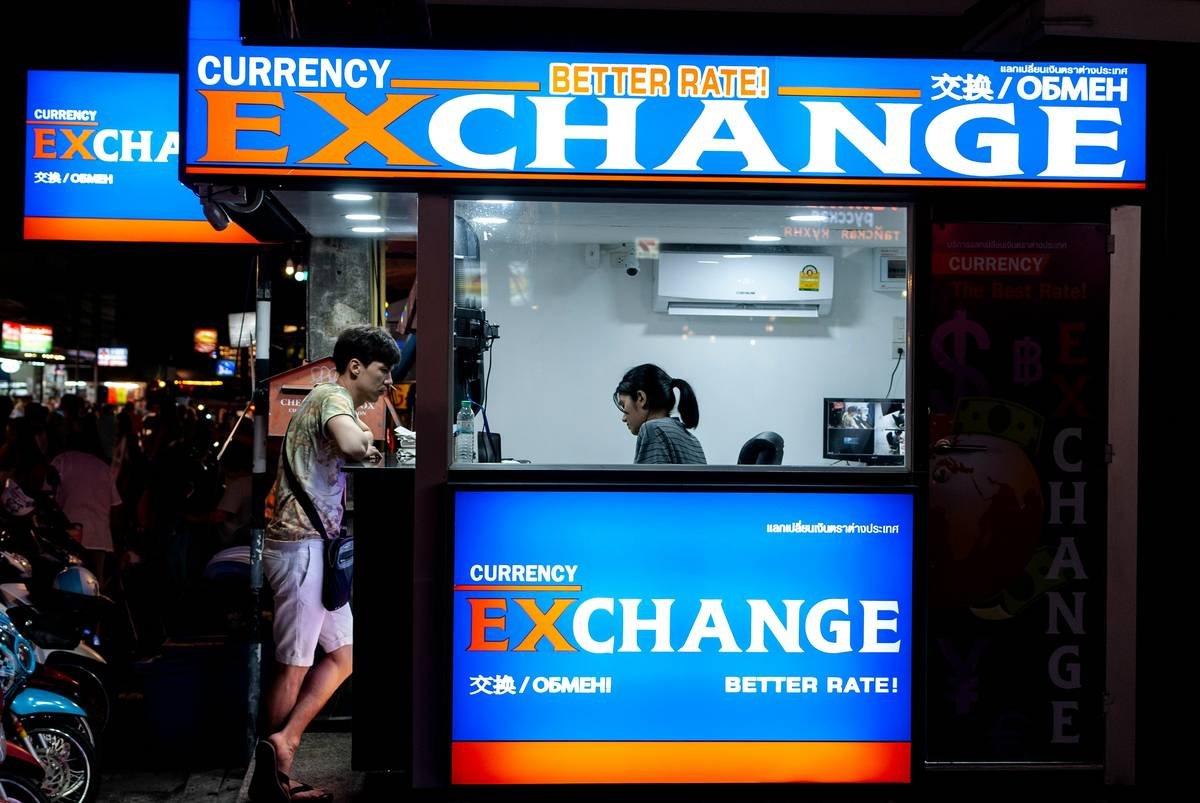
You booked your dream trip to Bali—flights paid, villa reserved, excitement building. Then the rupiah plunges 12% overnight. Suddenly, your $3,000 budget buys you barely two weeks instead of three. This isn’t rare—it’s routine. And standard travel insurance won’t touch it. Enter Exchange Rate Lock Policies: not widely advertised, rarely understood, but potentially game-changing for international travelers who pay in foreign currencies.
Why Traditional Currency Hedges Fail Travelers
Most travelers assume their credit card or bank handles forex risk. It doesn’t. Banks profit from spreads—the difference between buy and sell rates—and offer zero downside protection. Credit cards apply dynamic conversion fees masked as “convenience.” Meanwhile, generic travel insurance policies exclude currency devaluation by design. They cover lost luggage, medical emergencies—not evaporating purchasing power.
And here’s the kicker: even “multi-currency” accounts don’t lock rates. They just let you hold balances. If the euro drops while your hotel is priced in euros? You’re still on the hook.
How to Actually Secure an Exchange Rate Lock Policy
Not all providers offer this niche product. But those that do—often under labels like “Forex Shield” or “TripFX Guard”—structure it as a supplemental rider to comprehensive travel insurance. Here’s how to set it up without overpaying:
Step 1: Identify Your Exposure Window
Pinpoint the exact dates you’ll incur major expenses abroad—car rentals, tours, accommodations. The policy only covers pre-paid, non-refundable costs tied to a specific foreign currency.
Step 2: Choose a Trigger Threshold
Most policies activate only if the exchange rate moves more than 5–7% against you from the booking date. Set it too tight, and premiums spike. Too loose, and you get no payout. Aim for 6% as a sweet spot.
Step 3: Compare Real Costs vs. Illusions
Beware of “zero-fee” forex products—they bake margins into rates. True Exchange Rate Lock Policies charge upfront but cap your loss. Always run the numbers.

| Method | Avg. Cost | Downside Protection? | Activation Delay |
|---|---|---|---|
| Standard Credit Card | 1–3% dynamic fee | No | None (real-time) |
| Multi-Currency Account | $0–$10/month | No | Instant (but no lock) |
| Exchange Rate Lock Policy | 2.5–4.5% of insured amount | Yes – hard cap | 24–48 hrs after claim |
| Forward Contract (Bank) | $50–$200 setup + margin call risk | Yes | 3–5 business days |
Step 4: File Early—But Not Too Early
Purchase the policy within 48 hours of your first foreign-currency payment. Most issuers void coverage if you wait longer. Yet buying before any payment? Also invalid. Timing is everything.

The Industry Secret No One Talks About
Here’s what insurers quietly acknowledge in internal memos: Exchange Rate Lock Policies are wildly underutilized—so underpriced that they’re almost profitable for the buyer in volatile markets. During the 2022 yen collapse, policyholders who locked USD/JPY at 115 got reimbursed when it hit 145—even though their actual bookings were months later. Why? Because the contract was based on the rate at time of purchase, not consumption. That’s asymmetric upside most travelers never consider.
Think about it: you’re not just insuring a cost—you’re speculating with zero personal risk. The insurer bears the entire forex volatility burden. In today’s era of central bank whiplash, that’s not just smart—it’s strategic.
Frequently Asked Questions
Do Exchange Rate Lock Policies cover cryptocurrency purchases?
No. These policies only apply to fiat currencies recognized by the IMF. Crypto transactions are excluded entirely.
Can I get this if I’ve already left home?
Generally no. Coverage must be purchased before departure and within 48 hours of the first eligible expense.
Are payouts taxable?
In most jurisdictions, reimbursements are treated as compensation—not income—so they’re non-taxable. Consult a local advisor to confirm.